What is Digital Risk Protection?
Digital Risk Protection: Digital Risk Protection (DRP) is a cybersecurity discipline that identifies and mitigates threats targeting an organisation's digital presence: including brand impersonation, data leaks, social media fraud, and rogue apps.
Digital Risk Protection Explained in Detail
DRP extends traditional security perimeters beyond the firewall, monitoring external channels where brand abuse and data exposure occur: social media, app stores, paste sites, domain registrations, and the dark web.
Core Capabilities
- Brand monitoring: Detect impersonation across social, domains, and app stores.
- Data leak detection: Find exposed credentials, source code, and sensitive documents.
- Threat intelligence: Track threat actor campaigns targeting your industry.
- Automated takedown: Remove fraudulent content across platforms.
What DRP Monitors
A DRP programme watches the places an organisation does not control but where its name, people and data still appear:
- Domains: newly registered lookalike and typosquatted domains, and the certificates issued for them.
- Social media and messaging: fake company pages, impersonated executives and fake support accounts.
- App stores: cloned or rogue mobile apps that use the brand name or logo.
- Paste sites, code repositories and the dark web: leaked credentials, internal documents and source code.
DRP vs. Attack Surface Management
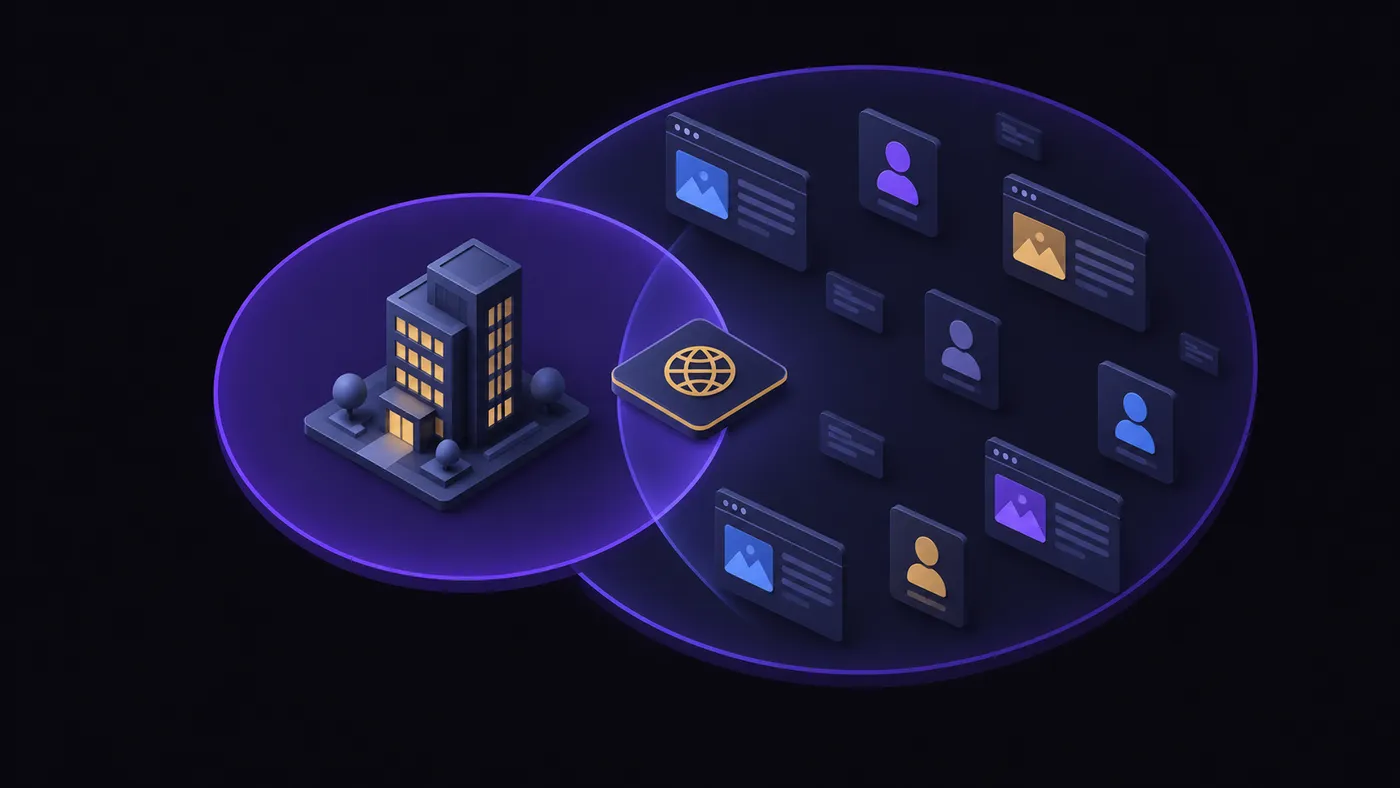
Attack surface management looks at assets the organisation owns: its domains, IP addresses, cloud services and exposed applications. DRP looks at assets that other people create to abuse the organisation: a phishing site on someone else's domain, or a fake profile on a social platform. The two overlap at the domain layer, which is why many teams run them together as part of exposure management.
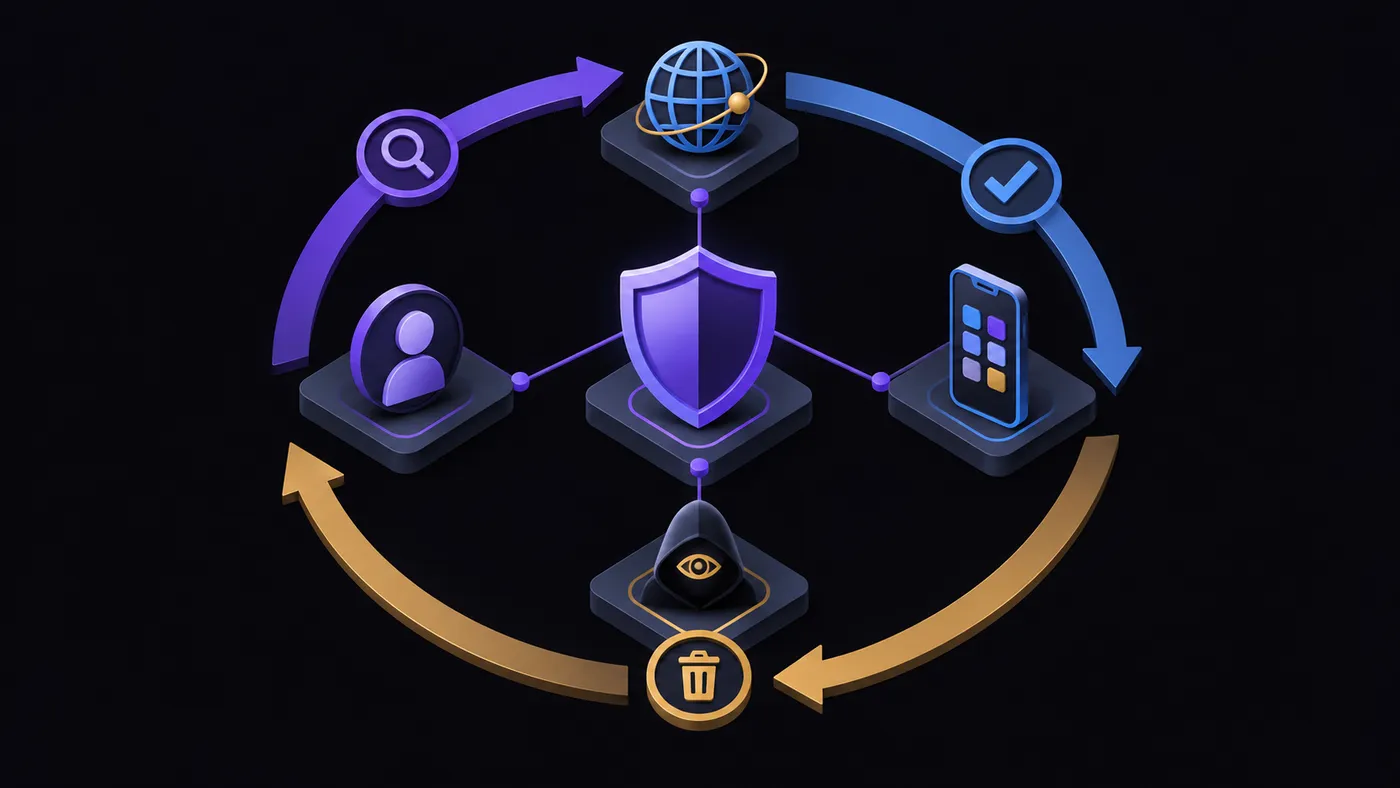
How a DRP Finding Is Handled
- Detect the suspicious domain, page, profile or leak.
- Verify it with evidence such as screenshots, WHOIS and hosting records, so a false positive never reaches a registrar.
- Act: request a takedown from the registrar, host or platform, reset exposed credentials, or warn customers.
- Track the item until it is confirmed removed, and watch for it coming back under a new name.
Digital risk protection in one paragraph
Digital risk protection (DRP) is the practice of finding and removing threats to your organisation that live outside your own network: fake domains, impersonating social profiles, rogue mobile apps, leaked credentials and data for sale. A DRP service monitors the open web, social media, app stores and the dark web, validates what it finds, and takes malicious items down. It differs from attack surface management, which maps what you own, and from threat intelligence, which explains who is attacking.
DRP vs attack surface management vs threat intelligence
| Digital risk protection | Attack surface management | Threat intelligence | |
|---|---|---|---|
| Main question | Who is abusing my brand, people and data outside my network? | What internet-facing assets do I own and how exposed are they? | Who is attacking, and with which methods? |
| Looks at | Look-alike domains, fake profiles, rogue apps, leaked data | Your domains, IPs, certificates, cloud services | Actors, campaigns, indicators of compromise |
| Typical outcome | Validated finding and takedown | Inventory and remediation list | Context and prioritisation |
Digital Risk Protection FAQs
What is digital risk protection?
Digital risk protection (DRP) identifies and reduces threats to an organisation that originate outside its network, such as brand impersonation, phishing sites, rogue apps, social media fraud and leaked data.
What is digital risk monitoring?
Digital risk monitoring is the continuous detection half of DRP: scanning domains, social platforms, app stores, paste sites and the dark web for signs that your brand, executives or data are being abused.
What do digital risk protection services include?
Typical digital risk protection services cover brand and domain impersonation detection, phishing site discovery, social media and app store monitoring, dark web and leaked credential monitoring, and takedown of confirmed threats.
What is executive digital risk protection?
Executive digital risk protection focuses on senior leaders: fake social profiles, impersonation used in fraud, exposed personal data and leaked credentials that attackers use to target the person or the company.
How does the digital risk protection takedown process work?
A finding is detected, validated with evidence, and reported to the host, registrar or platform with a takedown request. Progress is tracked until the content is removed or the case is closed.
What is the difference between DRP and attack surface management?
Attack surface management maps assets you own and their exposures. DRP watches for threats on assets you do not own, such as look-alike domains and fake profiles. Most programmes need both.
Is DRP the same as threat intelligence?
No. Threat intelligence describes adversaries and their techniques. DRP applies that kind of signal to your own brand, people and data, and then acts on it, including takedown.
What is automated digital risk protection?
Automated DRP uses software agents to detect, validate and escalate findings continuously, with human approval where needed, rather than relying on periodic manual searches.
Can DRP be managed for a small team?
Yes. Managed digital risk protection is delivered as a service, so a small security team receives validated findings and handled takedowns instead of raw alerts.
How Hunto Helps with Digital Risk Protection
Explore the autonomous AI agents that address digital risk protection challenges.