Autonomous SOC:
Security Operations on Autopilot
Autonomous security operations from alert to containment. AI agents triage and investigate every alert, contain confirmed threats within your guardrails, and log the evidence behind each decision.
What is an autonomous SOC?
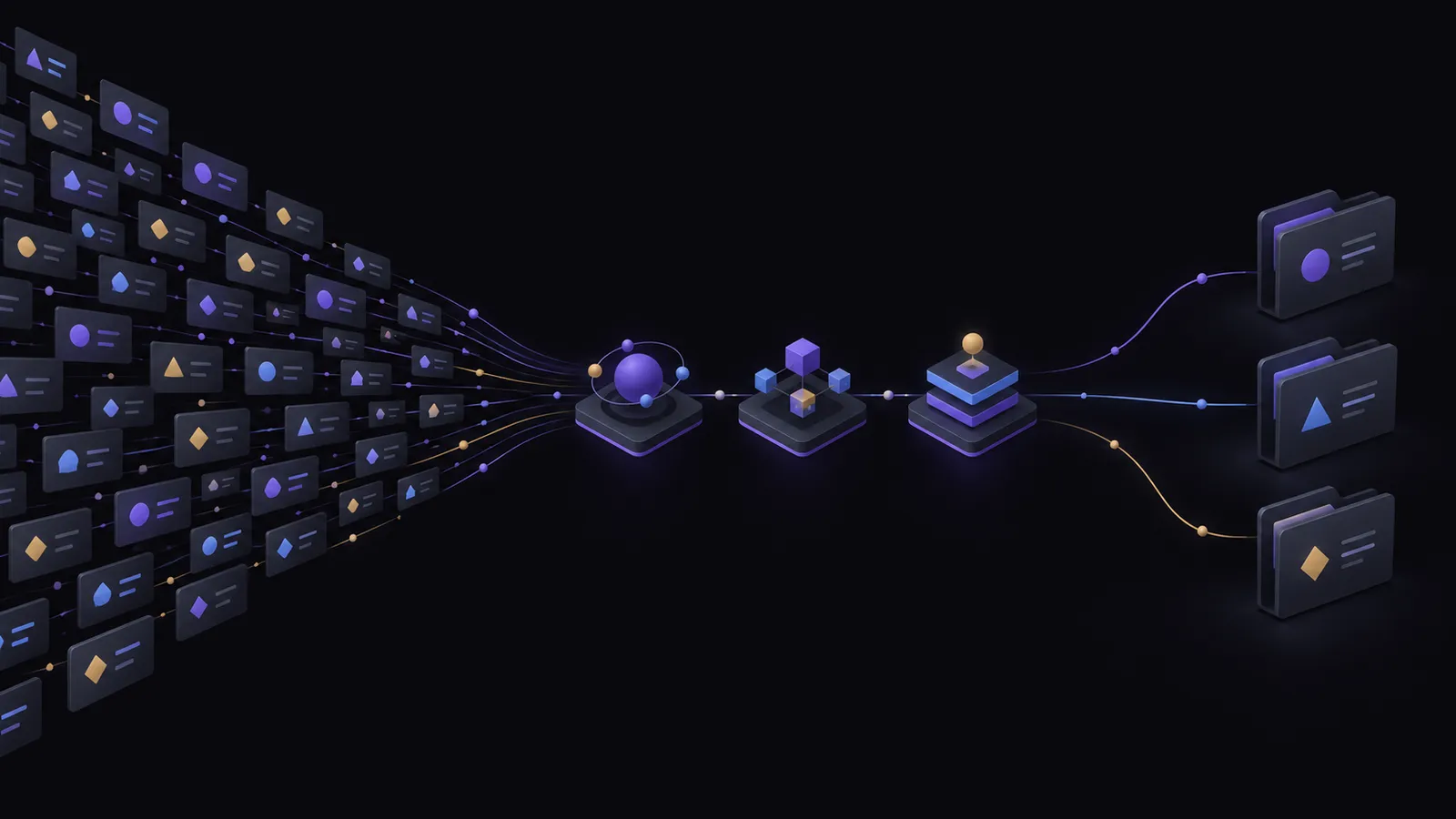
An autonomous SOC runs detection, investigation and response with AI agents, so every alert is investigated, not just the ones people have time for.
Agents ingest alerts from your SIEM, EDR, email, cloud and identity tools, decide whether each is a real threat, contain or escalate, and record the evidence. People set guardrails and own the escalated cases.
| Manual SOC | Playbook SOAR | Autonomous SOC | |
|---|---|---|---|
| Who investigates | Analysts, in queue order | Scripted steps | AI agents, every alert |
| Novel alert types | Only if someone has time | Not covered until a playbook exists | Reasoned through case by case |
| Upfront work | Hiring and training | Build and maintain playbooks | Connect read-only APIs |
| Hours covered | Shifts and handovers | Whenever playbooks fire | Around the clock |
| Audit trail | Notes in tickets | Run logs | Evidence and reasoning per decision |
Why Traditional SOCs Are Failing
Four gaps in traditional SOC operations.
Alert Fatigue & Investigation Gap
SOCs see 11,000+ alerts daily; analysts investigate ~50, a 99.5% gap. 65% of analysts report alert fatigue; average tenure is 2 years.
Talent Crisis & Scaling Problems
3.5M cybersecurity positions are unfilled globally (ISC²), so teams choose between coverage gaps and hiring costs.
Playbook Fragility
Legacy SOAR playbooks take weeks to build, break when APIs change, and miss novel threats.
Speed Gap vs AI-Powered Attackers
Human-dependent SOCs average 25-40 minutes per investigation and 258 days to contain breaches.
Hunto solves all four: AI agents never sleep and investigate every alert.
How Hunto's Autonomous SOC Works
Every alert follows the same accountable path, with the evidence behind every decision.
Ingest
Read-only APIs pull alerts, logs, identities, cloud events and endpoint signals from the stack you already run, with multi-cloud and hybrid support. No data migration.
Triage and investigate
Agents classify severity, rule out false positives, correlate history and threat intelligence, map the blast radius and build a timeline.
Act
Open a ticket, isolate an endpoint, revoke a session, quarantine an email, or escalate to a person with the evidence attached.
Prove and learn
Every action, artifact and approval is logged for audit, and analyst feedback tunes how agents handle the next alert.
Coverage
One investigation, every source behind it.
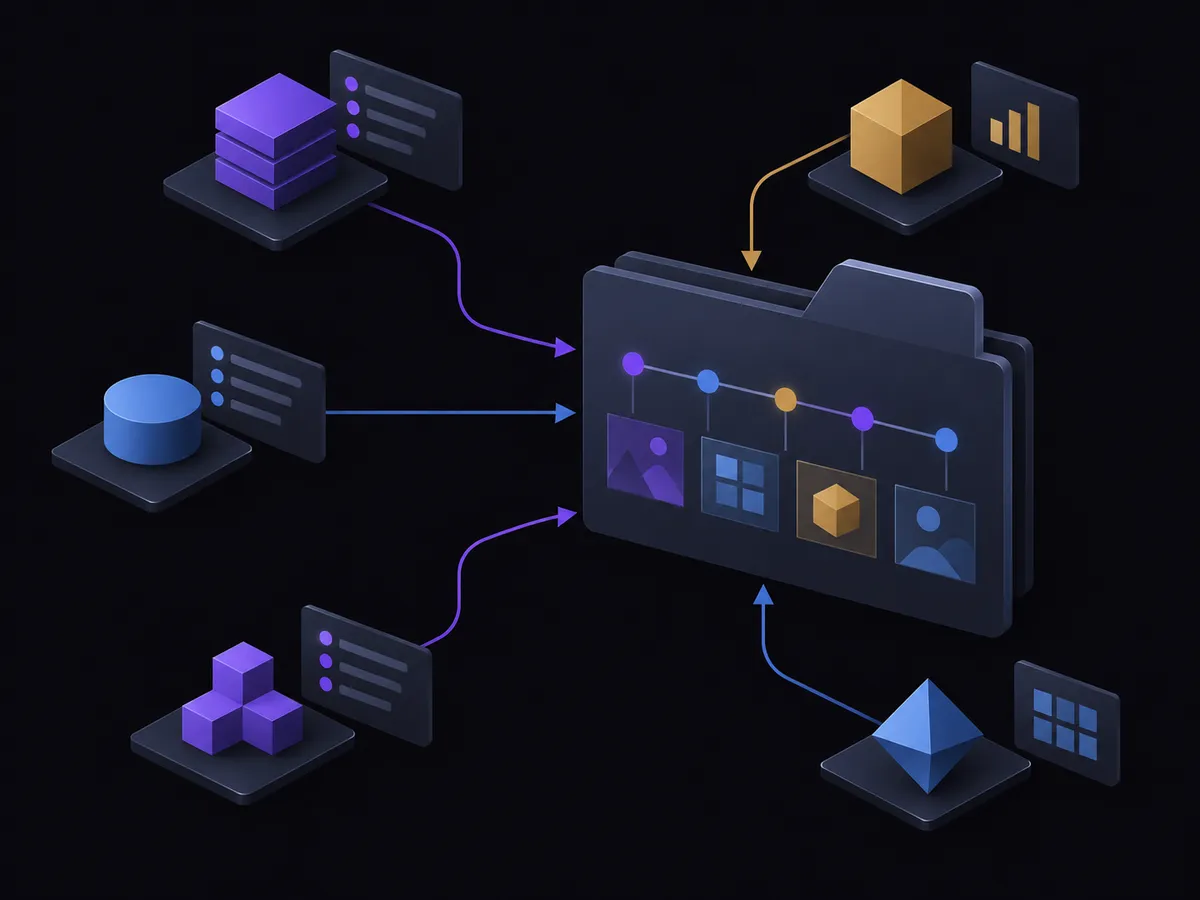
Agents pull context from your existing tools over read-only APIs into one case file.
Signals also flow from attack surface management and threat intelligence, and see how the agents work together in Autopilot security operations.
Key Capabilities of Hunto's Autonomous SOC
What an autonomous SOC platform has to do that a SOAR or a manual queue cannot.
Zero-playbook investigation
Agents reason through each alert instead of following scripts, so novel attack patterns are investigated without anyone writing a playbook first.
Every alert, around the clock
Autonomous threat detection and triage start the moment an alert arrives, on every shift. Severity, false-positive checks and historical correlation happen before a person looks.
Containment within guardrails
For confirmed threats, agents isolate endpoints, block IPs, revoke sessions and quarantine emails, only where your guardrails allow it.
Context from every Hunto agent
SOC agents share signals with attack surface, dark web, phishing and brand protection agents, so an alert is judged against your full exposure.
Custom agents for your rules
Organisation-specific escalation, approval and compliance rules become custom agents, not hundreds of brittle playbooks.
Multi-tenant for MSSPs and MSPs
One team runs Tier 1 and Tier 2 triage across many client environments, with each client's escalation rules encoded per tenant.
Human in the loop
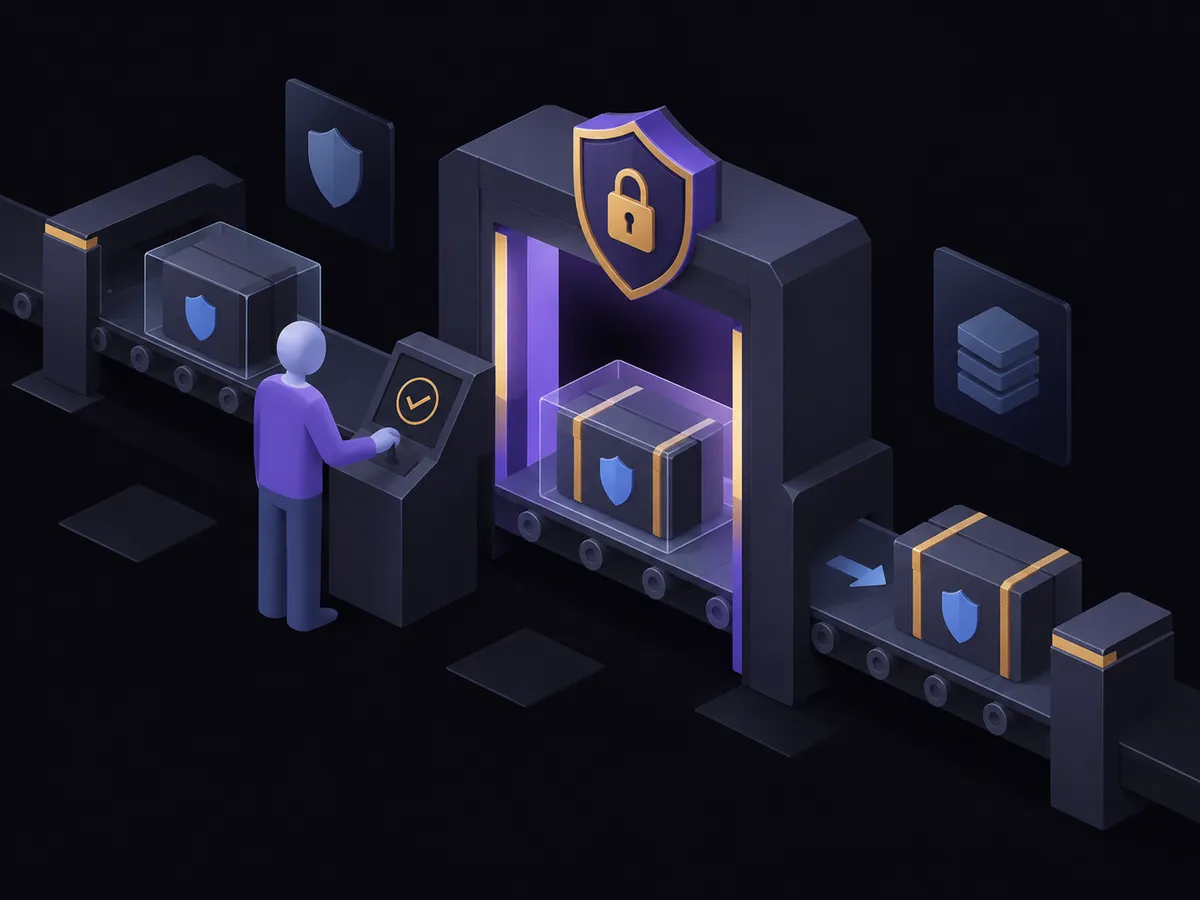
Autonomous does not mean unsupervised.
You set the guardrails
Decide which actions agents take alone and which wait for a person.
Escalations arrive with evidence
Your analysts get the case file and a recommendation, not a raw alert.
Every decision is replayable
Actions are logged with reasoning trails for review and audit.
Running response too? See incident response agents and threat detection.
Autonomous SOC in Action
Example deployments by team shape.
Mid-Market Bank (BFSI)
A 4-person bank security team facing 5,000+ alerts a day now has alerts triaged automatically and RBI evidence generated.
MSSP Scaling Operations
An MSSP with 30 clients runs Tier 1 and 2 triage across tenants with custom escalation agents, on the same headcount.
SaaS Startup (Lean Team)
A 200-person SaaS company with no SOC staff has agents watching AWS, Google Workspace, GitHub, Okta and Zendesk, while GRC agents keep SOC 2 evidence current.
Frequently asked questions
Explore more modules
Start free
Connect your stack over read-only APIs and watch agents investigate your own alerts, or book a demo first.
