What is a threat intelligence report?
A threat intelligence report turns raw threat data into a decision: who is targeting you, how they operate (mapped to MITRE ATT&CK), which indicators to block, and what to do next. A usable report states its audience, confidence level and sharing marking, and ends with specific actions rather than general findings.
Overview
Threat intelligence only has value when it leads to action. A well-structured intelligence report translates raw threat data into decisions: which detection rules to deploy, which vulnerabilities to prioritize, which attack scenarios to prepare for. This template helps you produce consistent, actionable threat intelligence reports that your SOC, leadership, and partner teams can actually use, not just read and file away.
Report Sections
- Executive summary: key findings and recommended actions in plain language
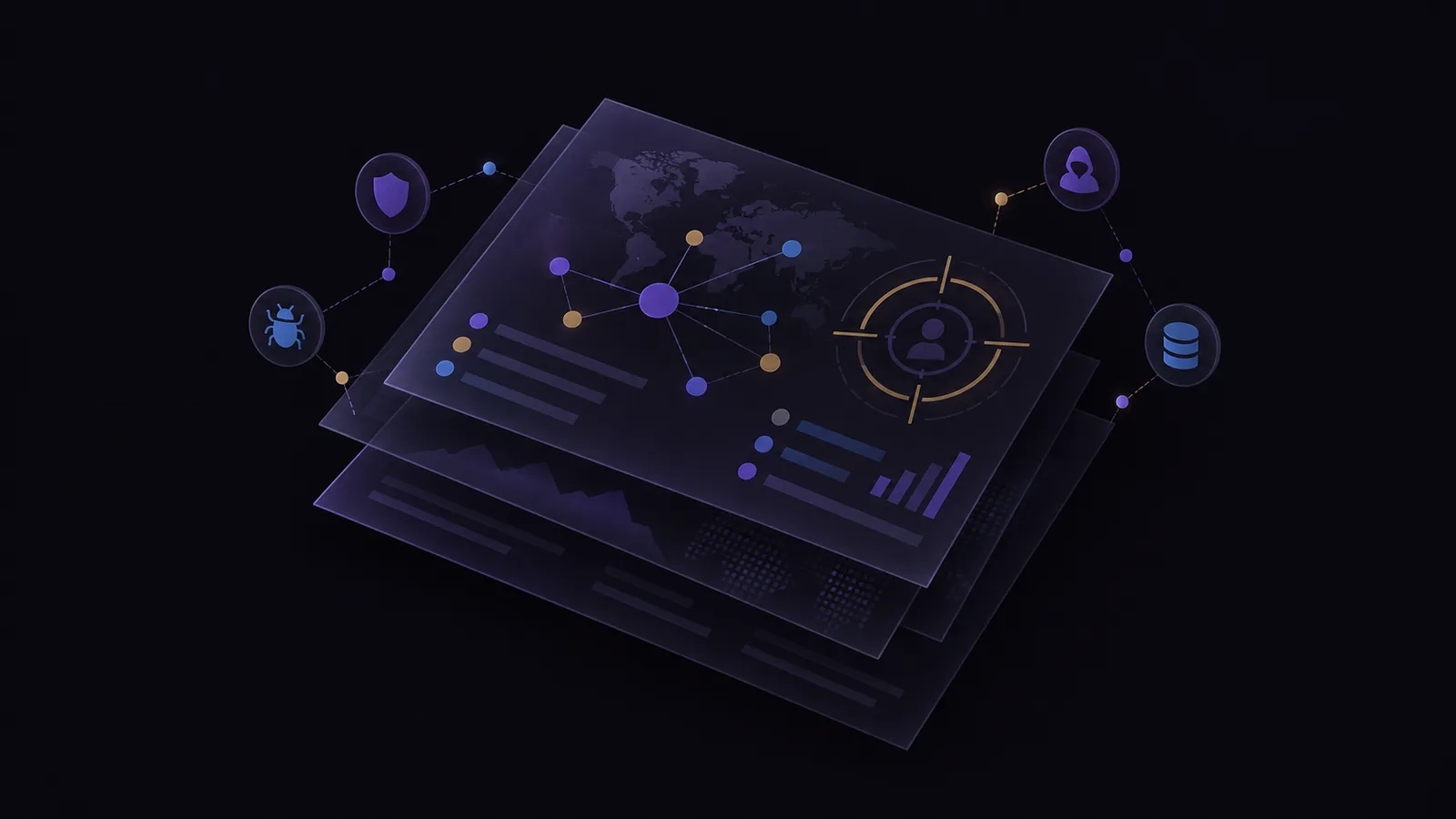
- Threat actor profile: attribution, motivation, known campaigns, and target sectors
- Tactics, techniques, and procedures (TTPs): MITRE ATT&CK mapping
- Indicators of compromise: IPs, domains, hashes, URLs, email addresses
- Attack chain analysis: step-by-step reconstruction of the threat activity
- Detection and mitigation recommendations: specific controls and rules
- Intelligence gaps: what we do not know and what we need to investigate further
- Confidence assessment: reliability of sources and analytical confidence level
Intelligence Classification
| Level | Audience | Content focus | Update frequency |
|---|---|---|---|
| Strategic | CISO, Board, Executives | Threat landscape trends, risk to business objectives, industry targeting | Quarterly |
| Operational | SOC Manager, IR Lead | Campaign details, threat actor profiles, attack patterns | Monthly or per campaign |
| Tactical | SOC Analysts, Detection Engineers | IOCs, detection rules, hunt queries, signatures | Weekly or real-time |
| Technical | Malware Analysts, Forensics | Malware samples, exploit code, infrastructure analysis | Per investigation |
Writing for Different Audiences
The same threat information needs to be packaged differently depending on who is reading it. The CISO wants to know how this threat affects business risk and what investment is needed. The SOC manager wants to know which detection gaps to close and whether the team needs additional resources. The analyst wants IOCs they can load into their tools in the next five minutes. Write each section for its audience. Lead the executive summary with business impact, not technical details. Include IOCs in a machine-readable format alongside the narrative.
Confidence and Source Assessment
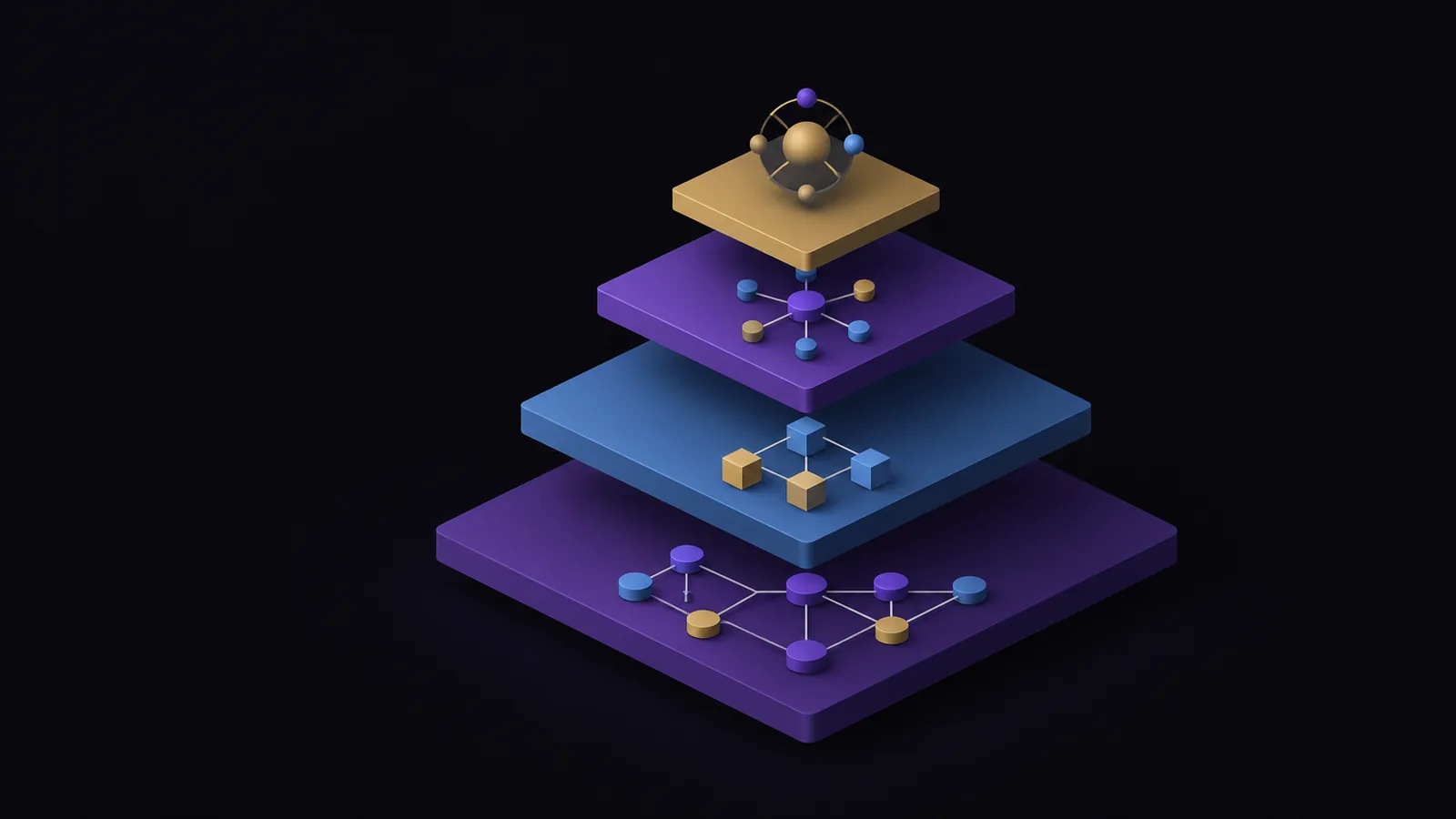
Rate the confidence of each finding using a standard framework like the Admiralty system or a simple High/Medium/Low scale. A high-confidence finding is based on multiple independent, reliable sources. A low-confidence finding may be based on a single unverified report or speculative analysis. Document your sources without compromising sensitive collection methods. Be transparent about what you know versus what you assess. Intelligence consumers make better decisions when they understand the reliability of the information they are acting on.
Operationalizing Intelligence
- Convert IOCs into SIEM detection rules and EDR watchlists within hours of report publication
- Map TTPs to MITRE ATT&CK and identify gaps in your defensive coverage
- Brief the SOC team during shift handovers on active threats from the latest reports
- Feed intelligence into threat hunting hypotheses for proactive investigation
- Share anonymized findings with your ISAC and trusted peers for collective defense
- Track whether intelligence-driven actions prevented or detected actual threats
Sample Threat Intelligence Report Structure
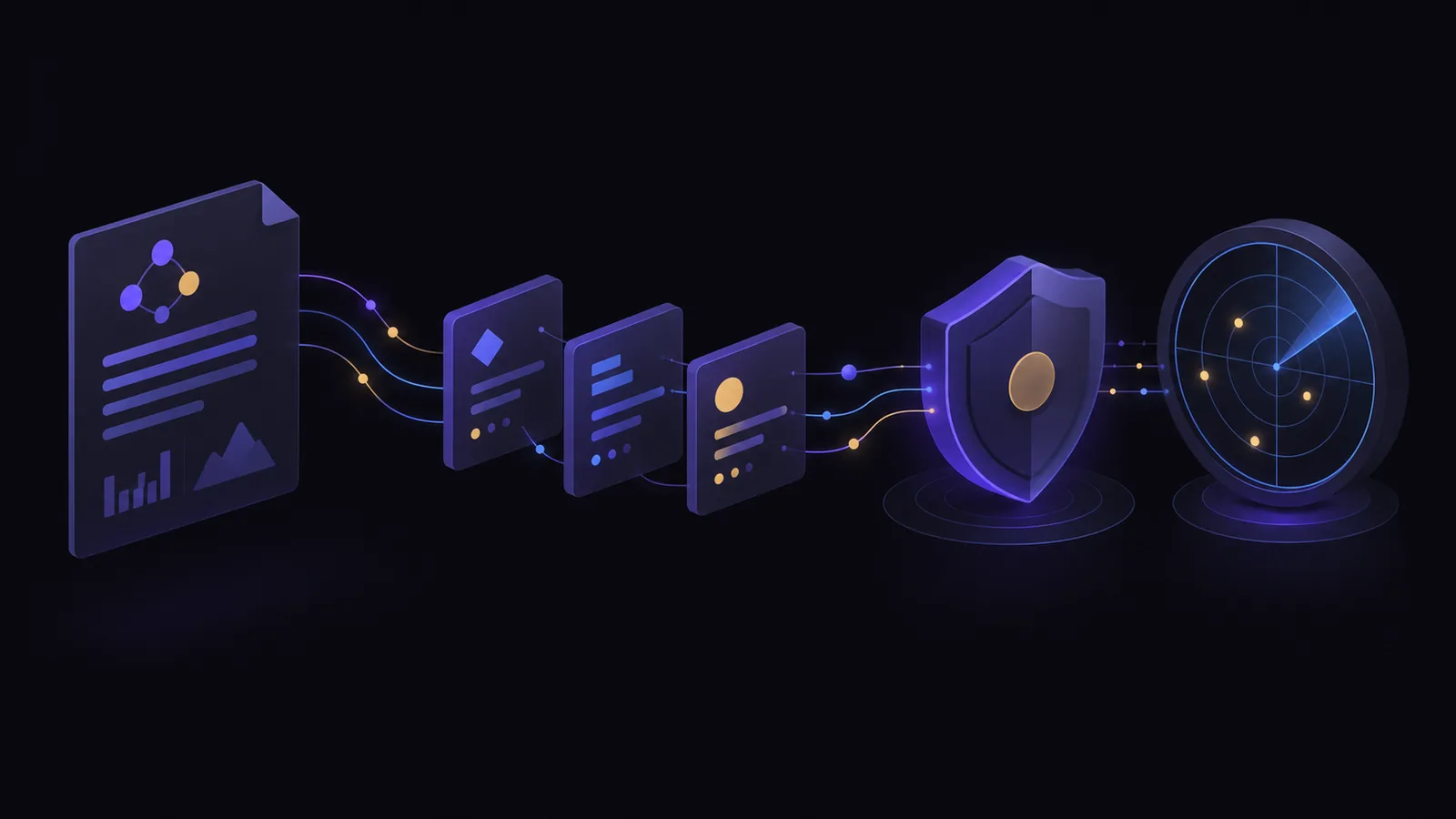
- 1
Title and marking
Name the threat, date, author and a TLP marking so readers know how far it can travel.
- 2
Bottom line up front
One short paragraph on impact and the decision needed, written for the executive reader.
- 3
Key judgments
Three to five assessed statements, each with a confidence level.
- 4
Threat actor and campaign
Who, why and what they target, with ATT&CK technique IDs.
- 5
Indicators and detections
IOCs in a machine-readable table plus the detection rule or hunt query to use.
- 6
Recommended actions
Owner, action and deadline for each item.
- 7
Gaps and sources
What you do not know and how reliable each source is.
Threat Intelligence Report Example: Fields to Fill In
| Field | Example entry (illustrative) | Why it matters |
|---|---|---|
| TLP | TLP:AMBER | Controls onward sharing |
| Confidence | Moderate | Sets how hard to act |
| Technique | T1566 Phishing | Maps to detection coverage |
| Indicator | Domain, hash or IP with first-seen date | Loads into SIEM or EDR |
| Action | Block, hunt, or patch; owner and due date | Turns reading into response |
Cyber Threat Intelligence Report vs Threat Hunting Report
| Report | Starts from | Output | Reader |
|---|---|---|---|
| CTI report | External or internal threat data | Assessment of actor, campaign and risk | CISO, SOC lead, detection team |
| Threat hunting report | A hypothesis tested in your own data | Findings, new detections and coverage gaps | SOC and detection engineering |
Sources and verification
Regulatory statements on this page were checked against the official sources below on . Programs and rules change, so confirm against the source before you rely on a date or requirement.