Back to Resources
FedRAMP Authorization Checklist: visual preview
Checklist

FedRAMP Authorization Checklist

Cloud Service Provider Authorization Roadmap

What is a FedRAMP checklist?

A FedRAMP checklist is the ordered list of tasks a cloud service provider completes to sell to U.S. federal agencies: pick a path and impact level, document controls in an SSP, pass independent assessment, track gaps in a POA&M, then keep monitoring. As of October 2026 FedRAMP runs a 20x track (Classes A to D) alongside legacy Rev5, and it stops processing new Rev5 certification applications on June 11, 2027.

Overview

FedRAMP authorization is the gateway to selling cloud services to U.S. federal agencies. The process is rigorous, but one authorization can be reused across many agencies. This checklist covers the full journey from readiness through continuous monitoring. FedRAMP is mid-transition: the 2026 Consolidated Rules add the 20x track (Classes A to D) beside legacy Rev5, so confirm your path on fedramp.gov before you start.


Authorization Path Options

PathProcessBest for
FedRAMP 20x Certification (Class A to D)Newer track under the 2026 Consolidated Rules, with progressive assuranceCSPs without a guaranteed agency sponsor; FedRAMP tells such providers to pivot to 20x
Agency Authorization (Rev5)Authorization sponsored by a single federal agency; FedRAMP stops processing new Rev5 certification applications on June 11, 2027CSPs with an agency customer already committed to sponsoring
JAB Authorization and FedRAMP Connect (legacy)Earlier routes that are no longer the usual entry point; check fedramp.gov for current statusReference only for older documents and contracts
Diagram of FedRAMP authorization paths from readiness through 20x or Rev5 to Marketplace listing
The authorization journey: choose a path, assess, get listed, then monitor.

Pre-Authorization Steps

  • Choose your path (20x class or Rev5 with an agency sponsor) and the impact level (Low, Moderate, High) from data sensitivity
  • Engage an independent assessor listed by FedRAMP (a 3PAO on the Rev5 path)
  • Complete a System Security Plan (SSP) documenting every implemented control
  • Run an internal readiness assessment to find gaps before formal assessment
  • Remediate gaps and document compensating controls
  • Prepare supporting artifacts: POA&M, incident response plan, configuration management plan
  • Note that FedRAMP Ready was retired in July 2026, so there is no Ready report to submit; sponsorship or a 20x submission is the entry point
Illustration of Low, Moderate and High impact baselines as stacked control layers
Impact level sets how many NIST 800-53 controls you have to evidence.

Assessment and Authorization

The formal assessment is the most intensive phase. Your independent assessor evaluates the system against the NIST 800-53 baseline for your impact level; control counts differ by baseline and revision, so use the current FedRAMP baseline documents. Each control is tested through interviews, document review, and technical testing. Plan several weeks, depending on system complexity. Expect findings that require remediation. Document all findings in your Plan of Action and Milestones (POA&M) with realistic remediation timelines.

Continuous Monitoring Requirements

  • Regular vulnerability scanning with remediation inside the timelines set for each severity
  • Annual independent assessment of a subset of controls (Rev5)
  • Significant change requests for any material change to the authorized system
  • Incident reporting on the timelines in the current FedRAMP incident rules
  • POA&M updates showing remediation progress
  • Annual security assessment report (SAR) update (Rev5)
  • Ongoing supply chain risk management documentation
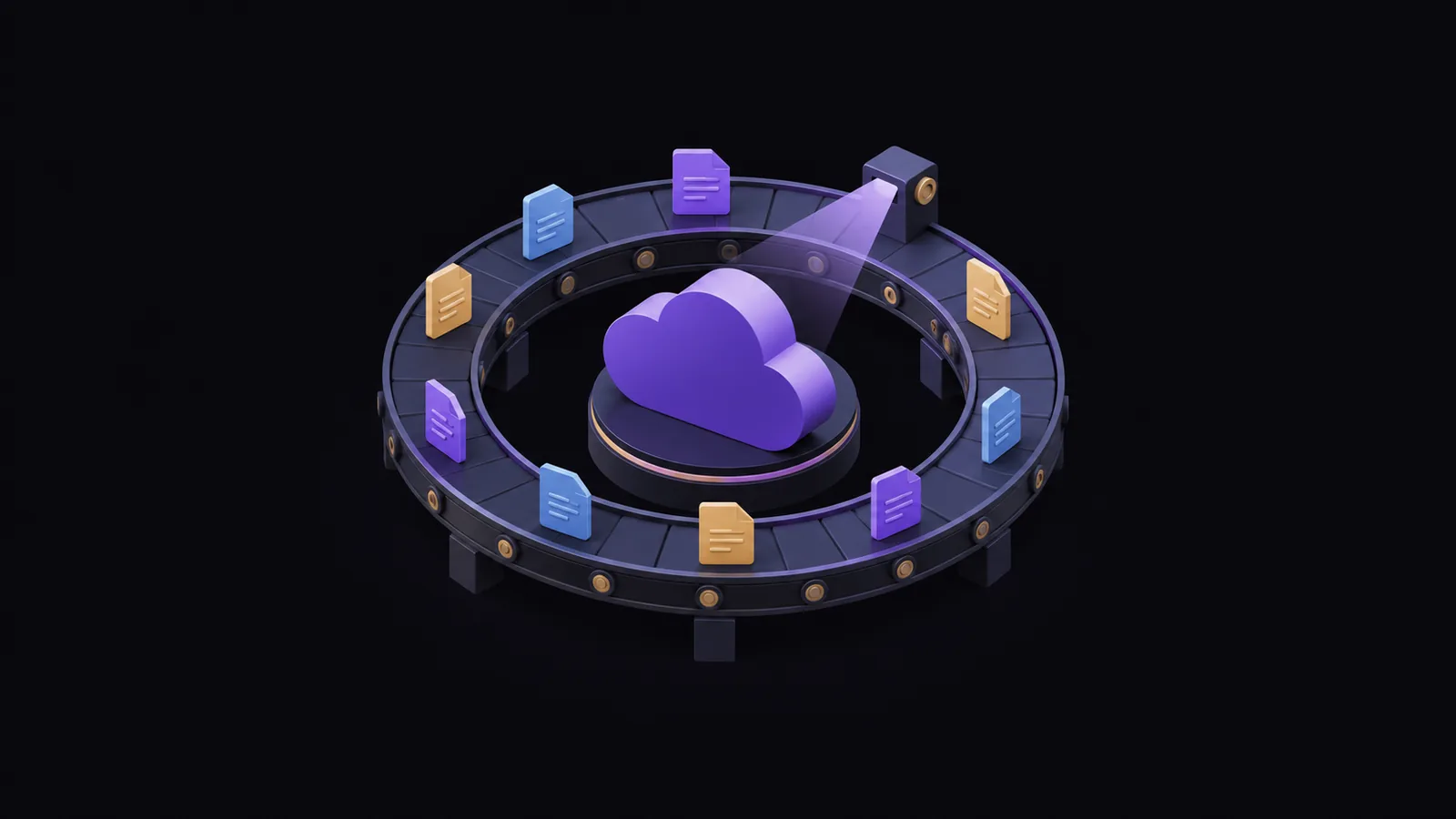
Continuous monitoring loop with scanning, POA&M updates and change requests
Continuous monitoring is a loop you keep running after listing.

Cost and Timeline Planning

Budget realistically and get written quotes. Rev5 programs have historically run well over a year and cost seven figures for Moderate systems; 20x is designed to shorten both, but treat any single number as an estimate. Major cost categories are assessor fees, SSP development, control implementation and remediation, staffing for continuous monitoring, and FedRAMP-compliant infrastructure and tooling. Continuous monitoring is a recurring annual cost, not a one-time fee.

FedRAMP Authorization Steps, in Order

  1. 1

    Confirm the need

    Name the agency customers, contract vehicles and data types. Without a federal buyer or sponsor, the case is weak.

  2. 2

    Pick the path

    Choose 20x (Class A to D) or Rev5 with a committed agency sponsor. FedRAMP advises providers without a guaranteed sponsor to pivot to 20x.

  3. 3

    Set the impact level

    Categorize the system as Low, Moderate or High from the sensitivity of the federal data it handles.

  4. 4

    Define the boundary

    Draw the authorization boundary, data flows, external services and inherited controls before writing anything.

  5. 5

    Write the SSP and map controls

    Document how each required control is implemented, with named owners and evidence.

  6. 6

    Assess independently

    Use an independent assessor from the FedRAMP listing; fix findings or record them in the POA&M.

  7. 7

    Submit and get listed

    File through the route your path requires; the outcome is a listing on the FedRAMP Marketplace.

  8. 8

    Run continuous monitoring

    Scan, report, track change requests and keep the POA&M current for as long as you hold the listing.

Readiness checklist board with evidence, SSP and POA&M items
Readiness means evidence in hand before the assessor arrives.

FedRAMP 20x vs Rev5 at a Glance

ItemFedRAMP 20xLegacy Rev5
Status (checked 2026-10-09)Current track, Consolidated Rules 2026FedRAMP stops processing new applications June 11, 2027
Assurance levelsClass A to D, progressive assuranceImpact baselines: Low, Moderate, High
Early entryClass A certification and Initial Implementation listingReady listing retired in July 2026
Sponsor neededNot required for the new pipelinesAgency sponsor expected
Best forNew entrants and cloud-native providersProviders already deep in a sponsored Rev5 effort

FedRAMP vs SOC 2 and ISO 27001

FrameworkIssued byScopeReplaces FedRAMP?
FedRAMPU.S. federal governmentCloud services sold to federal agencies; NIST 800-53 basedNot applicable
SOC 2Independent CPA auditTrust services criteria for customers generallyNo, but shared evidence helps
ISO 27001Accredited certification bodyInformation security management systemNo, but the ISMS gives a head start

Sources and verification

Regulatory statements on this page were checked against the official sources below on . Programs and rules change, so confirm against the source before you rely on a date or requirement.

Frequently asked questions

© 2026 Hunto AI. All rights reserved.