Human Risk Management Platform:
AI Phishing Simulation & Security Awareness Training
Human risk management solutions with AI phishing simulation, human-centric attack surface mapping, and board-reportable risk scoring. Annual training doesn't change behaviour. Our human risk management platform does. Continuous AI phishing simulations, adaptive micro-training, and a real-time Human Risk Number for every employee. Measure who's actually risky. Coach the ones who are. Prove the program to the board.
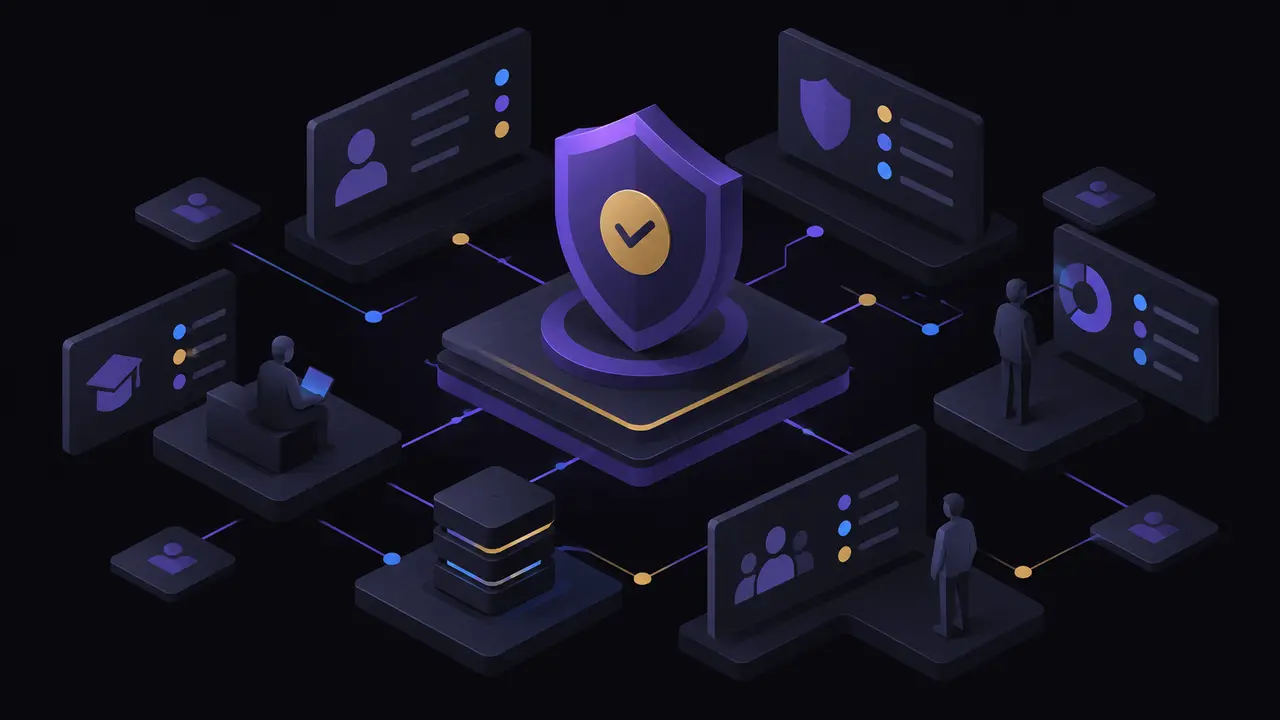
What is a human risk management platform?
A human risk management platform measures how employees behave under attack, trains them on the weakness they showed, and tracks a live risk score for each person. It replaces annual training with a continuous loop.
The loop starts with AI phishing simulation, and pairs with anti-phishing and business email protection on the technical side.
Measurable outcomes in just days.
Reduced Human Error
Lower security incidents caused by human mistakes through continuous training and awareness.
Improved Detection
Users become the first line of defense, identifying and reporting phishing attempts and threats.
Compliance Achievement
Meet security awareness training requirements for HIPAA, PCI-DSS, and other regulations.
Security Culture
Build a strong security-first culture where employees actively participate in protecting the organization.
Lower Breach Risk
Reduce the likelihood of successful attacks by ensuring employees consistently recognize and respond to threats.
Measurable Training Impact
Track engagement, reporting rates and improvement over time to prove the effectiveness of security awareness programs.
Built for every team
Improve security behaviors across the roles that attackers target most.
Security teams
Run a measurable program without extra admin overhead.
- Launch simulations on a schedule and measure behavior changes
- Prioritize coaching with risk scoring and role context
- Report outcomes to leadership with clear metrics
IT and Identity
Reduce account takeover and credential reuse risk.
- Improve password and MFA hygiene with reinforcement
- Catch risky behavior patterns before they become incidents
- Support remediation workflows like resets and enrollment
Finance and executives
Build resilience against BEC and invoice fraud.
- Train against spoofing, wire fraud, and vendor payment changes
- Increase verification behaviors across high-risk roles
- Reduce high-impact losses from social engineering
People ops
Make security awareness part of onboarding and culture.
- Deliver consistent onboarding training for new hires
- Reinforce data handling and policy behaviors
- Track completion for compliance requirements
Legal and Compliance
Stay audit-ready and reduce regulatory risk.
- Demonstrate compliance with security training requirements
- Maintain audit-ready evidence for regulators and customers
- Reduce legal exposure from preventable security incidents
IT Operations
Reduce operational disruption by preventing account compromise.
- Lower password resets and account lockouts
- Reduce security tickets caused by phishing incidents
- Support IT workflows with automated remediation
Common program outcomes
High-impact focus areas that reduce human-driven incidents.
What great looks like
A program that improves behavior, proves outcomes, and stays consistent.
Simulated phishing campaigns
Run simulated phishing campaigns that test emotional triggers aligned to current tactics and your real risk profile.
Human-centric attack surface mapping
Human-centric attack surface mapping software delivers targeted role-based training focused on the emotional and behavioral vulnerabilities that matter most.
Risk scoring and trends
Track improvements over time with human threat intelligence. Focus coaching where it matters most using data-driven risk scores.
Audit-ready reporting
Produce proof of human risk management phishing training, testing, and program effectiveness for audits across 12+ compliance frameworks.
Programs that stay current
Keep training, simulations, and human-centric attack surface mapping aligned as threats and teams evolve.
What Is Human Risk Management?
Measurable behaviour change, not checkboxes.
Human risk management (HRM) is the practice of measuring and lowering the security risk that comes from how employees actually behave, replacing one-time awareness training with a continuous loop.
A human risk management platform runs AI phishing simulations, drops micro-training on each person's weakness, and tracks a live risk score. Human risk management solutions give CISOs real numbers a board will read.
Human Risk Number (HRN): Quantifying Employee Security Behaviour
One score for human-driven risk.
The Human Risk Number (HRN) is a single, live score for how exposed your organisation is to human-driven attacks.
It combines click rate, credential submission, report rate, training velocity, and recidivism, weighted by role and data access, per person, department, and organisation. It reflects how people react to simulated phishing attacks and triggers training when a score crosses a threshold.
How AI Phishing Simulation Fits Into Human Risk Management
Simulation drives measurable behaviour change.
AI phishing simulation is the measurement engine of human risk management, writing new scenarios from the tactics attackers run that week.
Each one pulls one of seven emotional triggers, building an emotional susceptibility profile per employee. Every result feeds the Human Risk Number, so training and department metrics adjust together.
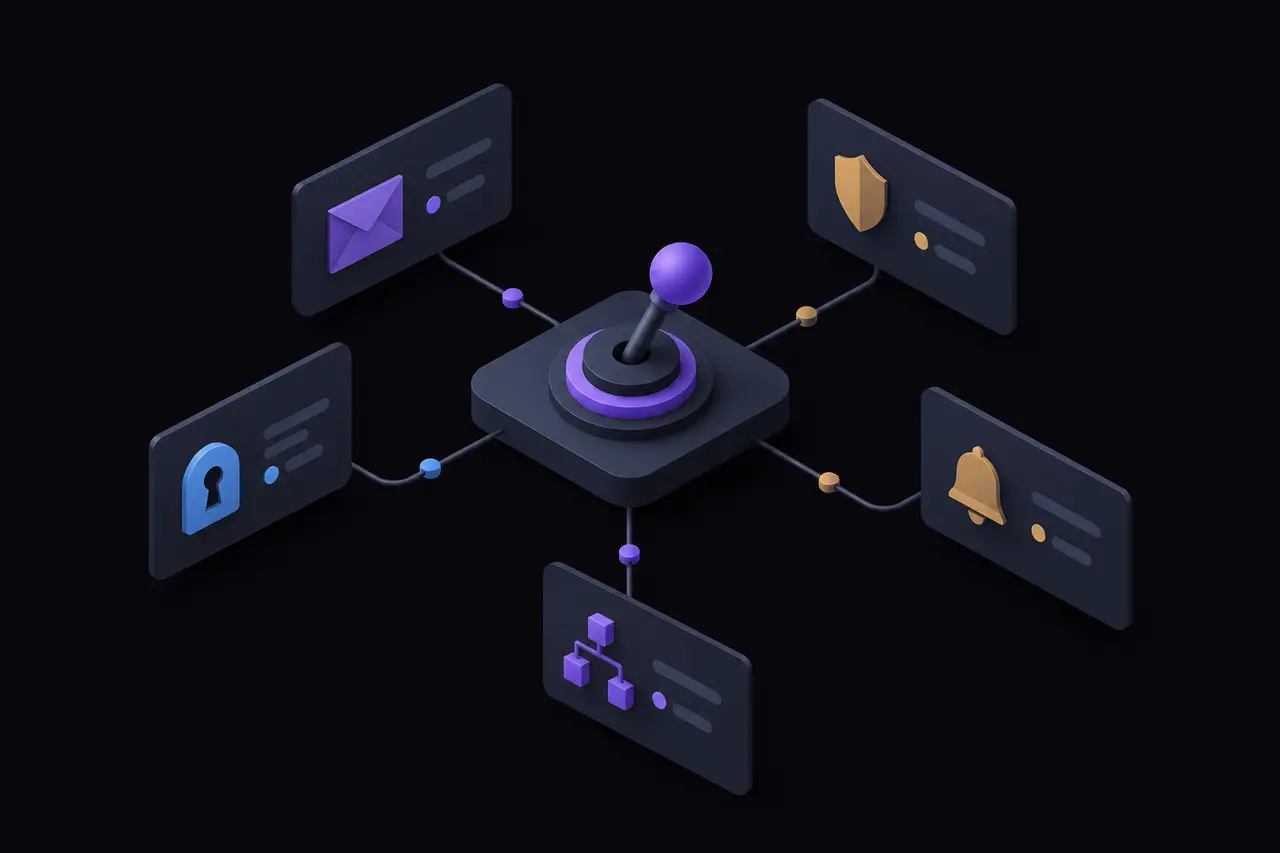
Seven triggers, one susceptibility profile.
Each simulation pulls one lever, showing which works on whom.
How to choose a human risk management solution.
A score per person
Individual risk, not just a company average, so coaching can be targeted.
More than one data source
Simulation results, reporting behaviour, training velocity and repeat failures together.
Automatic interventions
Training and test frequency change when a score moves, without an analyst in the loop.
Board-ready reporting
Trend lines and evidence mapped to frameworks, not completion percentages.
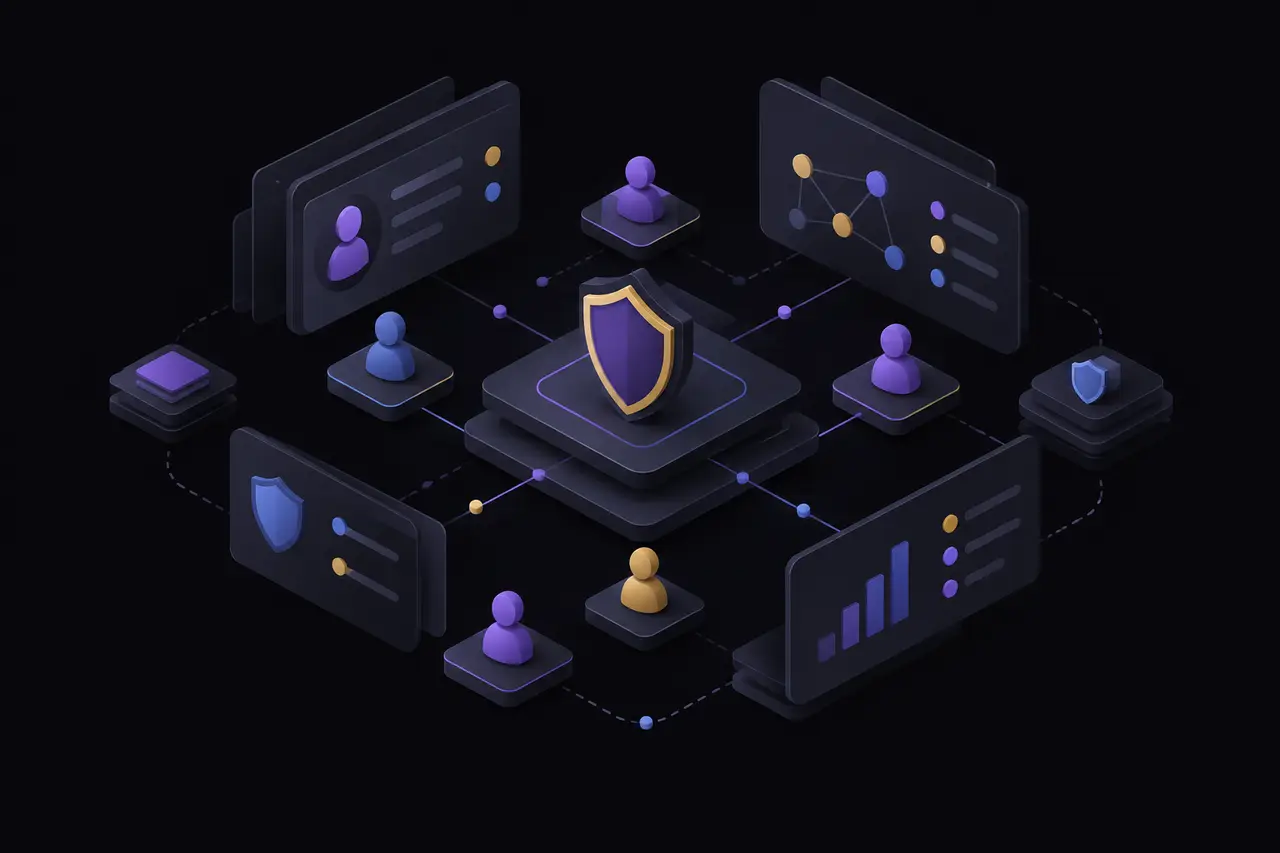
Map the human attack surface.
Human-centric attack surface mapping shows which roles and departments are easiest to target, so budget and coaching go where the risk lives. Pair it with dark web monitoring to see which credentials are already exposed.
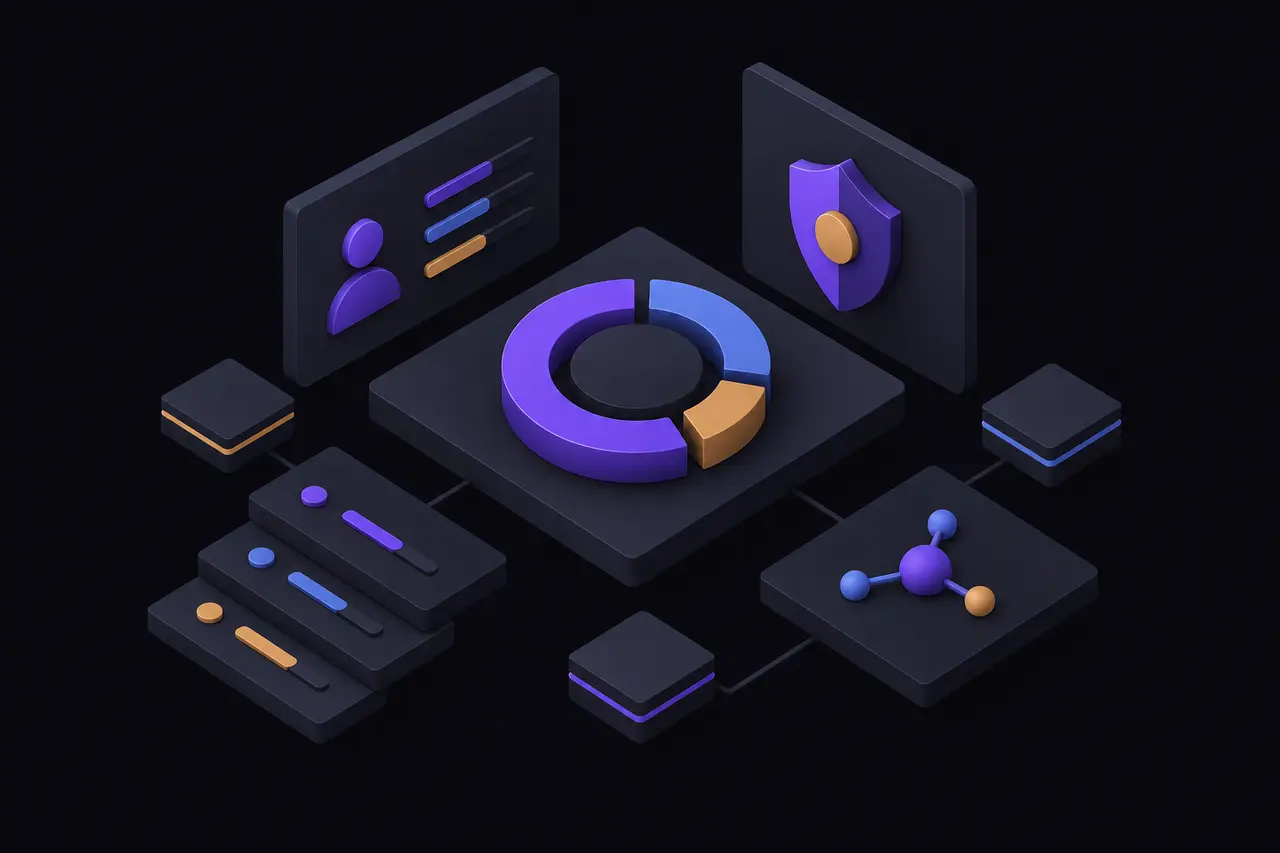
One number for the board.
The Human Risk Number combines click rate, credential submission, reporting, training velocity and repeat failure. Evidence maps to frameworks on the compliance and security page. Want to see it on your own workforce? Book a demo.
Buy vs build.
| Build in-house | Hunto platform | |
|---|---|---|
| Time to first result | Months of design, content and tooling | Campaigns running from the first week |
| Lure freshness | Your team refreshes templates by hand | Generated from live attacker tactics |
| Risk scoring | Spreadsheet or custom model to maintain | Human Risk Number updated after every test |
| Channels | Usually email only | Email, SMS and voice |
| Audit evidence | Assembled manually before each audit | Exportable reports mapped to frameworks |
Frequently asked questions
Explore more modules
Start Your Free Trial
Ready to safeguard your organization's digital presence? Start a free trial on your own domains, or book a demo first.
