Vendor Risk Monitoring Platform:
Continuous Vendor and Supply Chain Monitoring
Vendor monitoring solutions with AI risk scoring, automated assessments and compliance-ready reporting. Continuous vendor risk monitoring and continuous third-party monitoring replace point-in-time audits: score every vendor's security posture from the outside in, get alerts when it changes, and keep automated vendor risk management evidence ready for audit, in one vendor risk management platform.
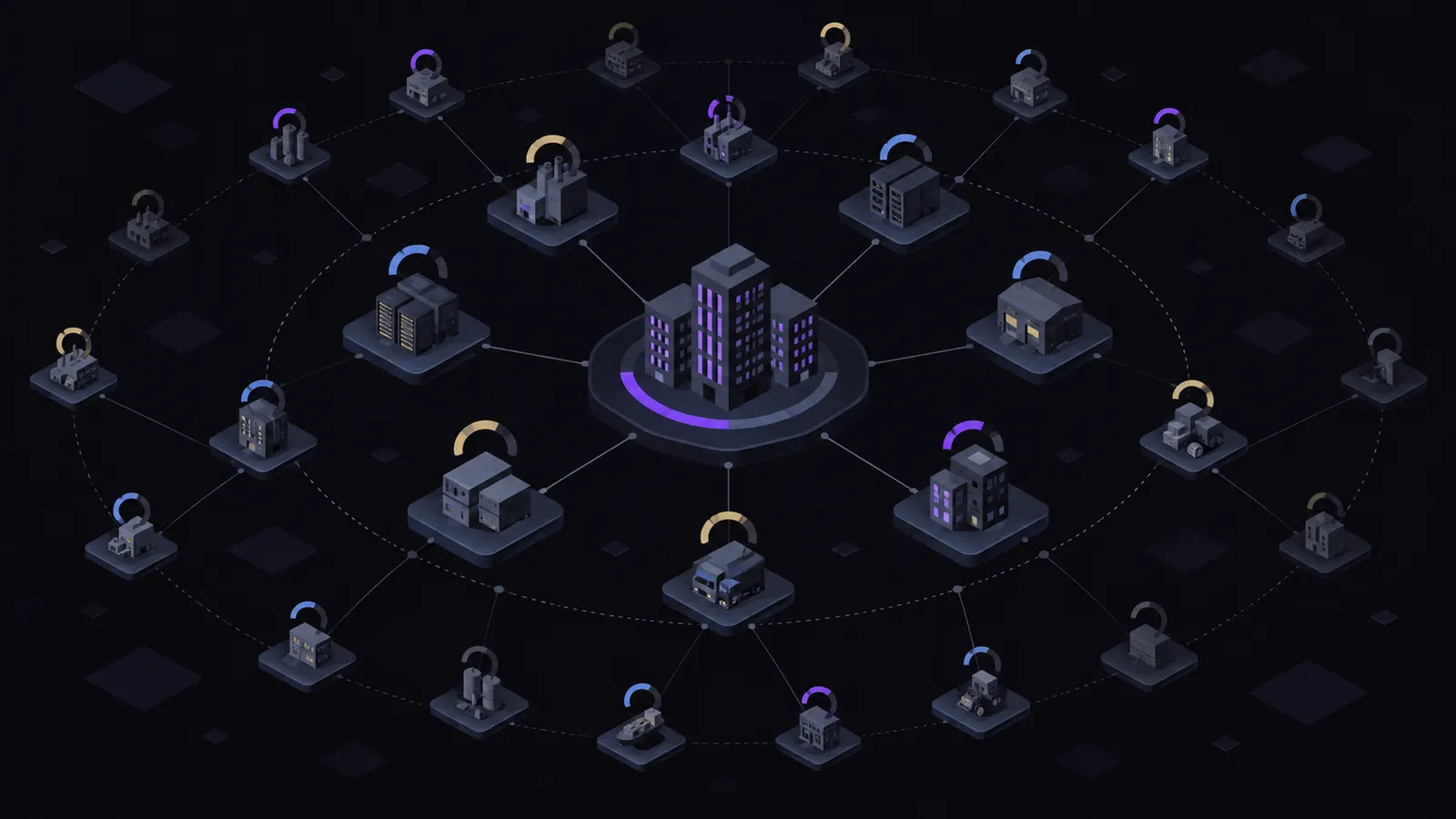
Vendor risk management is the ongoing process of assessing, scoring, and monitoring the security risk your suppliers bring. Continuous monitoring replaces the annual questionnaire with daily external checks.
- Daily external checks on every vendor's attack surface
- Credential leak and breach-indicator alerts
- Questionnaires cross-checked against observed posture
- Audit-ready evidence with timestamped history
Measurable outcomes in just days.
Vendor Security Visibility
Complete vendor security monitoring provides visibility into vendor security practices, compliance status, and risk indicators across your entire supply chain.
Proactive Risk Management
Continuous vendor monitoring identifies and addresses vendor security issues before they become incidents or supply chain breaches.
Compliance Confidence
Demonstrate continuous monitoring for vendor risk management with audit-ready evidence for regulatory compliance requirements.
Cost Reduction
Vendor monitoring solutions reduce costs associated with manual vendor assessments, audits, and third-party security incidents.
Incident Prevention
Third-party security monitoring detects emerging vendor risks early to prevent security incidents before they disrupt your business operations.
Continuous Monitoring
Maintain real-time awareness of vendor security posture with continuous vendor risk monitoring and automated risk updates across your third-party ecosystem.
Signals that drive vendor risk monitoring
Continuous vendor security monitoring that replaces point-in-time assessments.
What you get
A vendor program that scales without adding headcount.
Continuous vendor monitoring
Stop relying on annual questionnaires: continuous vendor risk monitoring solutions replace point-in-time assessments with always-on vendor security monitoring.
Risk scoring with context
AI supply chain risk monitoring focuses on the vendors and issues that create the biggest cybersecurity and business impact.
Actionable vendor monitoring solutions
Turn findings into outreach and remediation processes. Our vendor monitoring solutions automate workflows teams can run weekly.
Evidence that stays current
Generate third-party security monitoring reports that demonstrate ongoing oversight, continuous monitoring for vendor risk management, and remediation progress.
Continuous risk oversight
Maintain a living view of vendor risk across your ecosystem with continuously updated security signals and third-party monitoring services.
What Is Vendor Risk Management?
Vendor risk management (VRM) is the process of identifying, assessing, monitoring, and mitigating the risks third-party vendors introduce, as the SolarWinds, MOVEit, and Kaseya breaches showed.
The TPRM lifecycle has four stages; most teams run only the first. A VRM platform keeps all four running. See our autonomous GRC platform.

- 01
Onboarding due diligence
Assess a vendor's security posture before granting access.
- 02
Continuous monitoring
Track posture changes throughout the relationship.
- 03
Periodic reassessment
Formal reviews triggered by renewals, incidents, or regulatory changes.
- 04
Secure offboarding
Revoke access and verify data handling when the relationship ends.
How Hunto Automates Vendor Risk
Four capabilities that replace manual vendor oversight.
Continuous posture monitoring
Daily scans of each vendor's external attack surface, correlated with dark web intelligence. Scores recalculate as posture changes.
Automated questionnaires
Tiered questionnaires; AI flags answers that contradict observed posture. See our vendor security posture assessment questionnaire.
Breach alerting
Early warning from news, disclosures, dark web forums, and stealer logs, with impact assessment.
Compliance evidence collection
Every scan, score change, and remediation is timestamped, so the audit report is ready.
From many signals to one explainable score
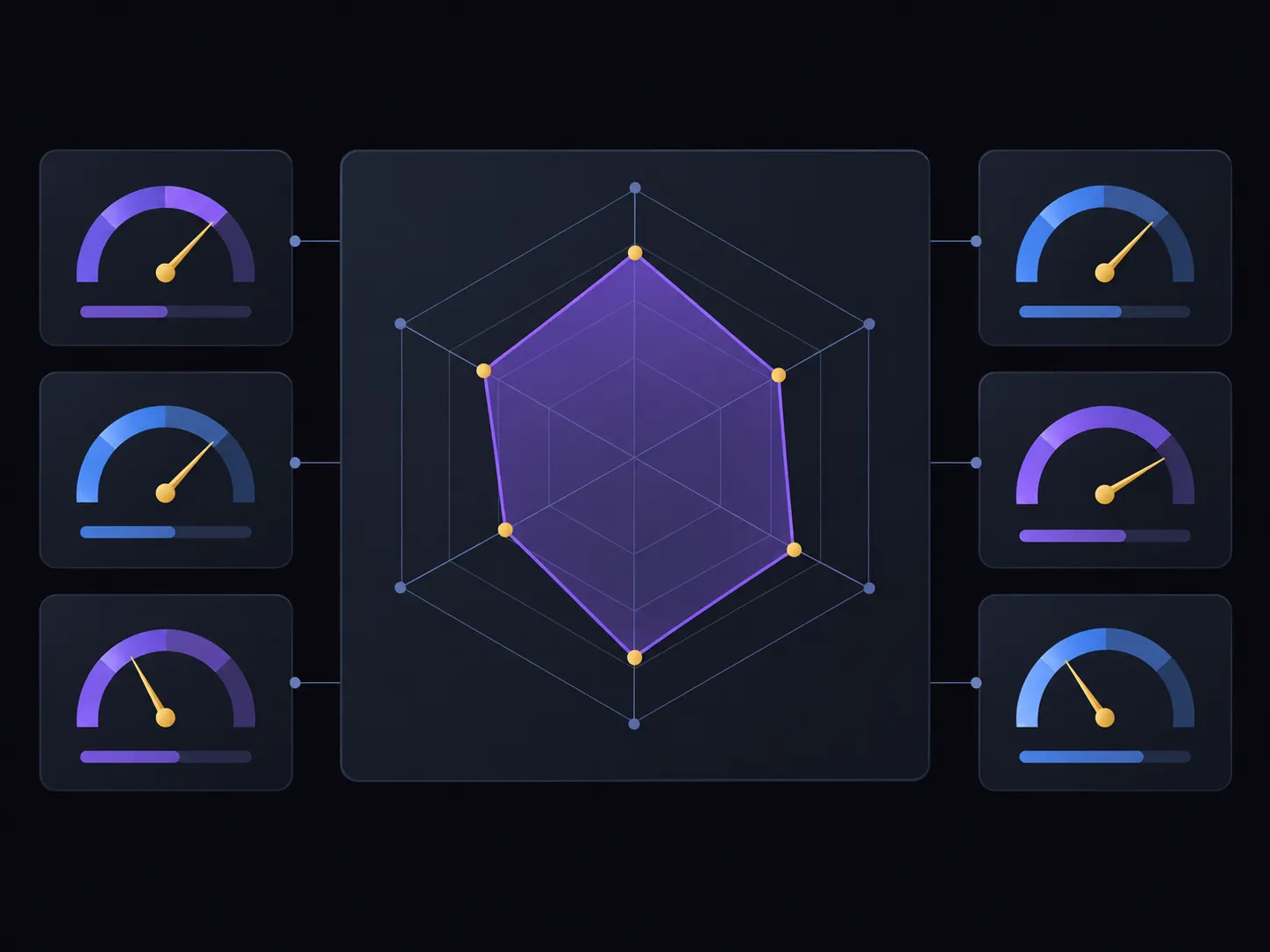
Automated vendor risk assessment combines external signals with questionnaire answers and business context, and every score change links to its evidence. Pair it with attack surface management for your own estate and third-party risk monitoring for the wider supply chain.
Vendor Risk Management for Regulated Industries
Meeting regulatory expectations for third-party oversight in banking, healthcare, and financial services.
Banking
RBI guidelines expect ongoing, documented oversight of vendors handling customer data. Hunto generates the monitoring records and score histories examiners ask for.
Healthcare
HIPAA Business Associate rules cover every vendor handling PHI. Hunto maps vendor access to PHI systems and watches for posture changes.
Financial services
SOX, FFIEC, SEC disclosure rules, and SOC 2 Type II all cover vendor oversight. Evidence maps through our cross-framework GRC engine.
Continuous Monitoring vs. Periodic Assessments
Why real-time vendor oversight outperforms the annual questionnaire model.
| Dimension | Continuous Monitoring | Periodic Assessments |
|---|---|---|
| Detection Speed | Hours: posture changes detected within a daily scan cycle | Months: issues remain hidden until the next scheduled review |
| Coverage Gaps | Minimal: ongoing scanning covers the entire assessment period | Significant: security posture is unknown between assessments |
| Audit Readiness | Always ready: timestamped evidence generated automatically | Weeks of preparation: manual evidence compilation before audit |
| Analyst Cost | Low: AI handles scanning, scoring, and reporting | High: manual questionnaire distribution, follow-up, and analysis |
| Scalability | Unlimited: monitor hundreds of vendors with no headcount increase | Linear: each additional vendor requires proportional analyst time |
| Vendor Trust Verification | Observed posture cross-referenced with self-reported data | Self-reported only: no independent verification |
What changes between reviews
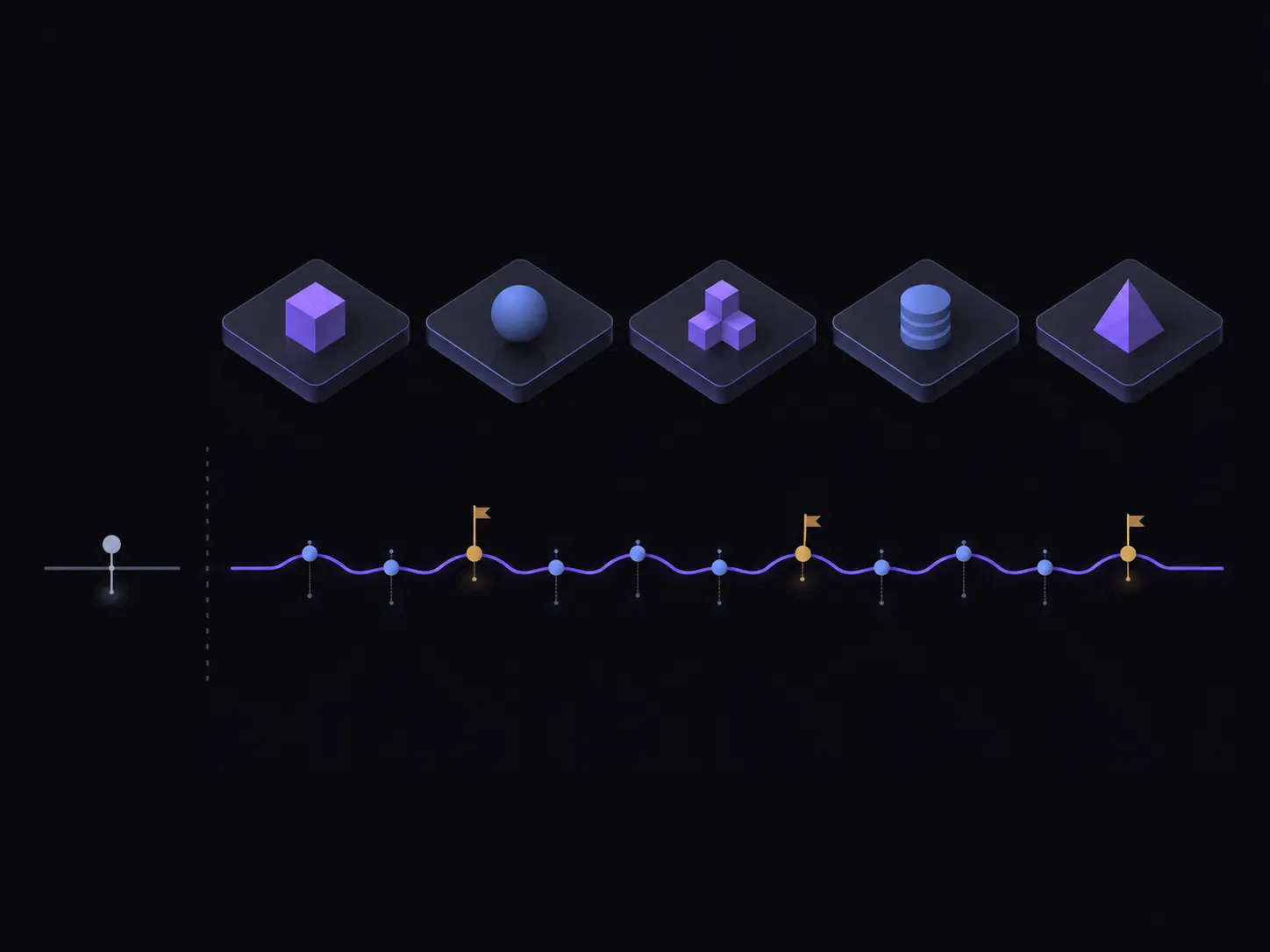
A certificate lapses or credentials leak. Periodic reviews miss it for months; continuous monitoring flags it.
Proof, not promises
Keep exploring
Frequently asked questions
Explore more modules
Start free
Add your vendors and see their external risk scores today, or book a demo first.
