Top 9 Dynamic Application Security Testing Tools (2026)

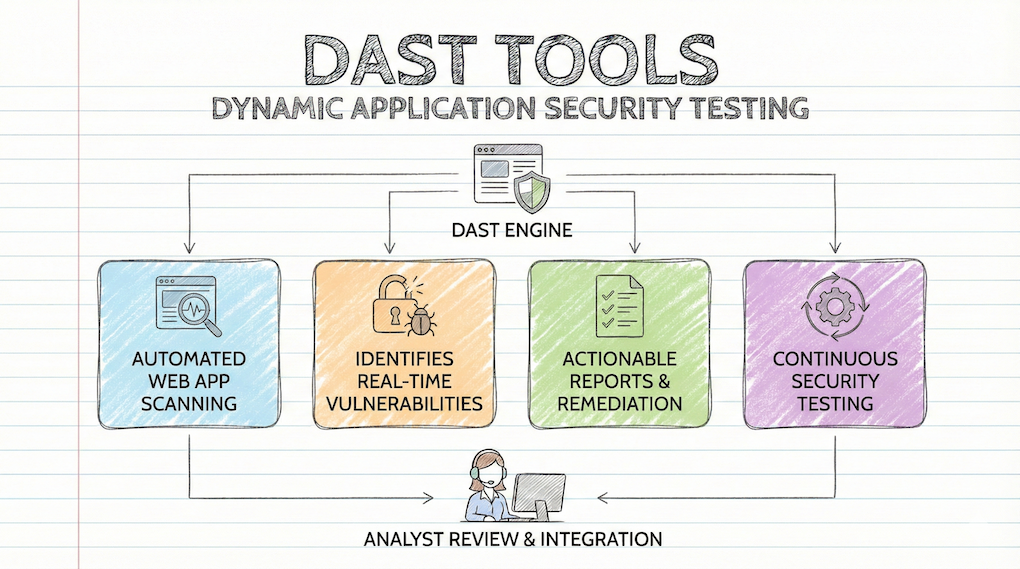
Modern web applications aren’t simple. Dozens of APIs. Cloud services. Microservices. All of them talking to each other just to render a single page. Securing them in 2026 means more than reviewing code at rest. You need to see how your app behaves under live conditions. That’s why Dynamic Application Security Testing tools are no longer optional for security teams.
DAST tools find vulnerabilities by attacking a running application. They work from the outside in, exactly like a real attacker would. This approach catches flaws that static checks routinely miss. Static code review won’t catch them.
Here’s a look at the best Dynamic Application Security Testing (DAST) tools available today, so you can pick the right fit for your team.
What is the best DAST tool for cloud applications?
For cloud and API-driven applications, the best DAST tools run scans in the cloud, understand modern protocols like REST and GraphQL, and plug into CI/CD pipelines so testing happens on every deploy. Strong cloud-ready options in 2026 are:
- StackHawk, API-first DAST built for CI/CD and developer workflows.
- Acunetix / Invicti, fast, accurate scanning for heavy JavaScript and cloud web apps.
- Veracode Dynamic Analysis, cloud-hosted scanning with no hit to on-network performance.
- Rapid7 InsightAppSec, cloud-app focus with a universal translator for modern APIs.
What is Dynamic Application Security Testing?
DAST evaluates an application while it’s running. It doesn’t touch the source code. Black box. It probes the web interface and exposed APIs directly to find security gaps that nothing else surfaces.
Why Your Business Needs DAST Tools in 2026?
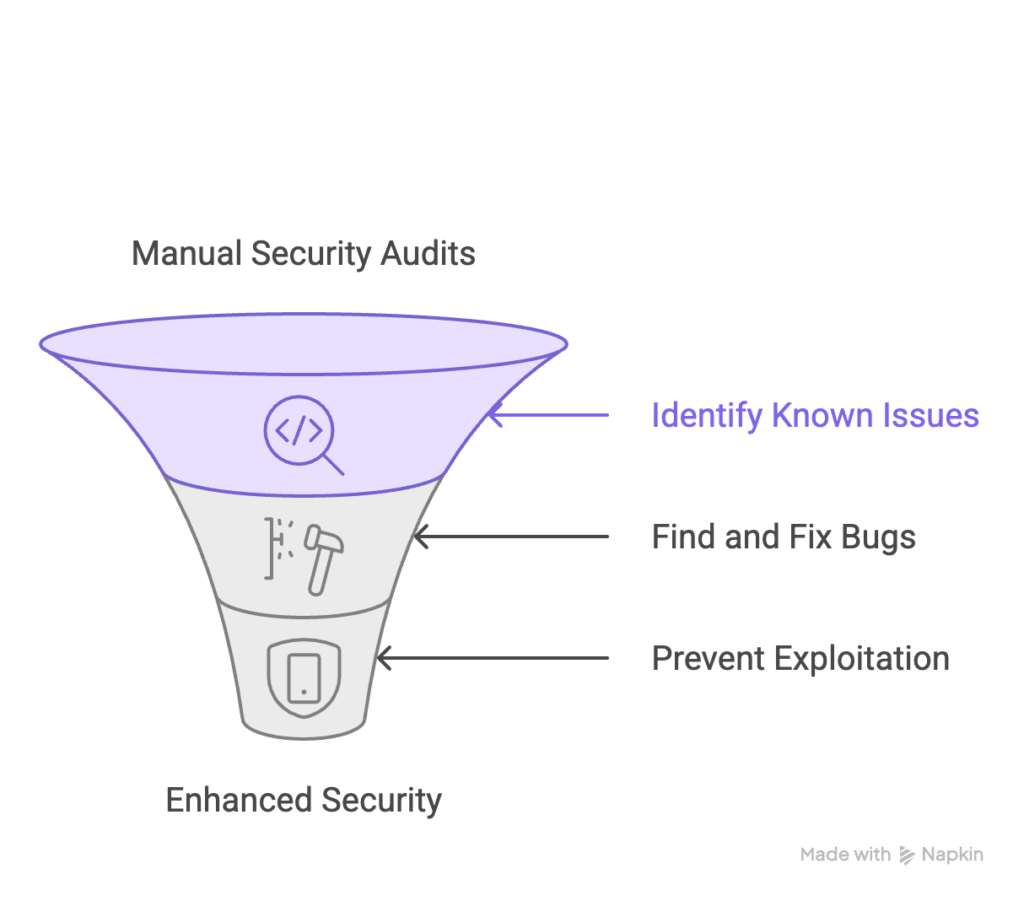
Threats aren’t slowing down. They’re accelerating. Manual audits can’t keep pace with release cycles, and most security teams are already stretched thin. Automated DAST scans for thousands of known issues in minutes. Developers get findings early enough to fix them before attackers find the same door.
The right tool protects your brand. It keeps customer data private. It also helps you hit compliance targets without scrambling at audit time. Let’s look at what’s actually worth using today.
Top 9 Dynamic Application Security Testing Tools in 2026
| Tool Name | Best For | Strategy Type | Innovation Level |
| Burp Suite | Manual Research | Professional Pentesting | Industry Standard |
| OWASP ZAP | Small Teams | Open Source Community | High |
| Acunetix | Speed and Accuracy | Automated Scanning | High |
| Invicti | Scalable Enterprise | Proof Based Verification | Very High |
| StackHawk | DevOps Pipelines | Developer First Testing | High |
| Checkmarx | Unified Security | Risk Correlation | High |
| Veracode | Large Enterprises | Cloud Based Managed DAST | High |
| Rapid7 | Modern Cloud Apps | Universal API Translator | High |
| HCL AppScan | Complex Legacy Apps | Deep Logic Analysis | Industry Veteran |
1. Burp Suite Professional
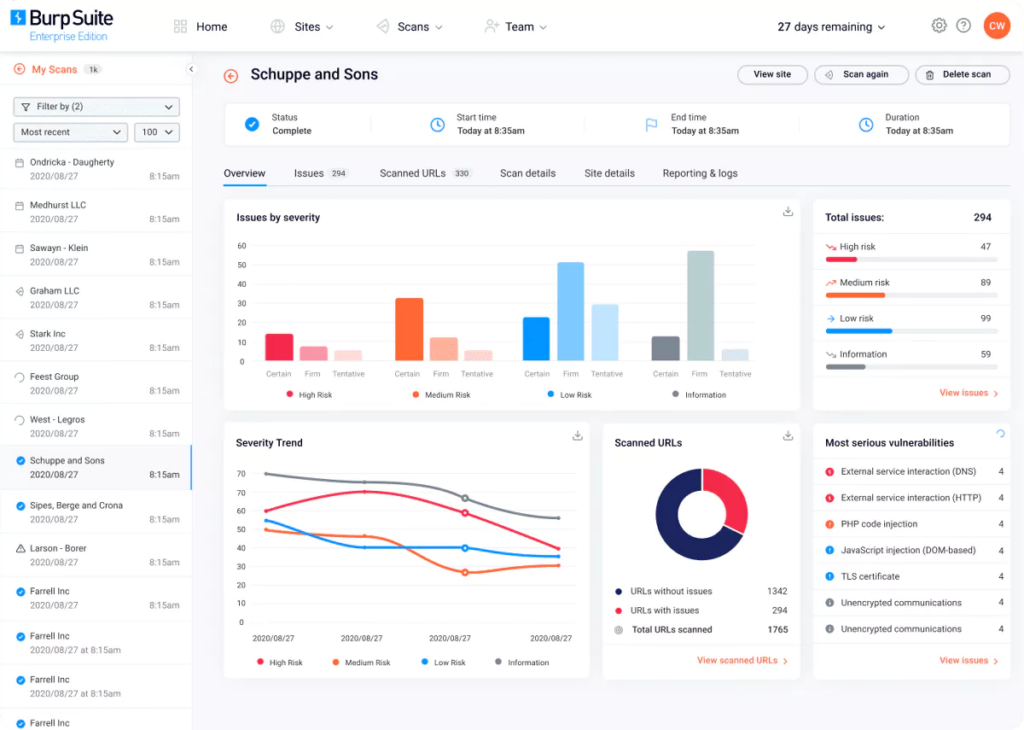
Burp Suite is the go-to for professional penetration testers. It’s been the standard in web application security research for years. Both manual and automated testing are well covered. Most serious pentesters keep it open all day.
Technical Strength:
The Intercepting Proxy lets testers pause and modify requests mid-flight between browser and server. That’s where the real value sits. The automated scanner handles SQL injection, cross-site scripting, and other common flaws well, while the BApp Store adds hundreds of plugins when you need to go deeper. It’s the right choice for finding complex logic flaws that no automated tool would catch on its own.
2. OWASP ZAP (Zed Attack Proxy)
Budget-conscious teams don’t have to compromise. OWASP ZAP is free, open source, and maintained by a global community of security practitioners. Free. Capable. Active community.
Technical Strength:
ZAP sits between the tester and the web application, intercepting traffic both ways. The HUD (heads-up display) is genuinely clever: it overlays security test results directly in the browser, so developers can check for issues without leaving their normal workflow. Automated scans and a solid API make it easy to slot into a CI/CD pipeline. For startups getting their security practice off the ground, it’s hard to beat. The community keeps it current against emerging threats without charging for updates.
3. Acunetix by Invicti
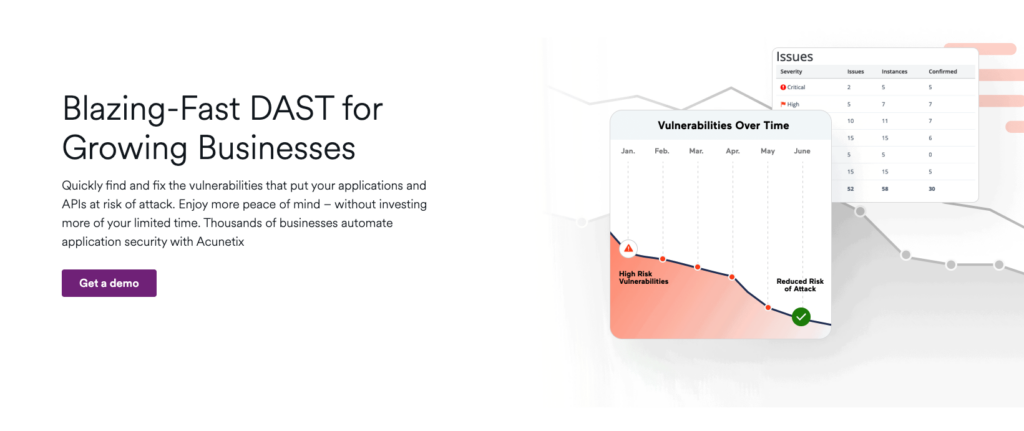
Acunetix built its reputation on speed. It handles JavaScript-heavy web environments without choking. That matters more than it used to, given how much rendering now happens in the browser.
Technical Strength:
The proprietary scanning engine handles heavy JavaScript applications without a sweat. There’s also an IAST component called AcuSensor, which analyses the code as the DAST scanner runs externally. That combination gives you visibility from two angles at once. It covers over 7000 vulnerability types, including zero-day threats. Jira integration speeds up the fix cycle, which development teams appreciate when the ticket backlog is already long.
4. Invicti
Invicti is built around one idea: cut false positives. Analyst time is scarce. Spending hours validating alerts that turn out to be nothing is a real cost.
Technical Strength:
Proof-based scanning is what sets it apart. When Invicti finds a vulnerability, it runs a safe exploit to confirm the bug is real before it hits your queue. Manual verification? Gone. It also surfaces web assets hidden behind login screens or buried in complex forms. Managing multiple web applications across a large organisation? That kind of breadth matters.
5. StackHawk
StackHawk is aimed squarely at developers. It treats security testing as part of the build process, not a separate audit that happens after the fact.
Technical Strength:
It’s API-first and fits naturally into modern CI/CD pipelines. Developers can catch and fix bugs in their local environment before code even gets merged. The documentation is written for people who ship software, not just security specialists. REST, SOAP, and GraphQL APIs are all supported. Teams that move fast and want security woven into the workflow, not bolted on afterwards, tend to land here.
6. Checkmarx DAST
Checkmarx covers multiple aspects of application security from a single platform. Their DAST tool is most useful when you’re already inside the Checkmarx ecosystem.
Technical Strength:
The Checkmarx One platform puts static and dynamic test results on one dashboard, which speeds up root-cause analysis considerably. When you can see a SAST finding alongside its corresponding DAST result, you waste less time chasing symptoms. It’s designed for large organisations with global teams and regulatory pressure. API and mobile backend testing are included, so nothing gets left out of the coverage picture.
7. Veracode Dynamic Analysis
Veracode runs everything in the cloud. For companies that don’t want to run their own scanning infrastructure, that’s a genuine selling point.
Technical Strength:
Scans happen off your network, so there’s no performance hit to worry about. The Security Program Management view gives executives a single place to track risk across different business units, which is useful in organisations with multiple product lines. A consistent scanning methodology means every application gets assessed the same way. Many teams use Veracode specifically to satisfy compliance requirements for international security standards and internal audits.
8. Rapid7 InsightAppSec
Rapid7 is well-established in the vulnerability management space. InsightAppSec brings that same focus to web applications and cloud stacks.
Technical Strength:
The Universal Translator engine is the standout feature. It understands REST, JSON, and GraphQL natively, which means it doesn’t fumble on the protocols most modern APIs speak. Security teams can replay an attack to understand exactly what happened, which helps developers reproduce and fix the bug faster. Reports are readable by both technical teams and management, which makes progress reviews less painful for everyone in the room.
9. HCL AppScan
HCL AppScan has been around long enough to earn credibility. It’s built for enterprises running complex, often older applications where standard scanners trip up and give up.
Technical Strength:
AppScan handles complicated login sequences and multi-page workflows without losing its place. The remediation guidance is detailed. Code samples in multiple languages. Developers don’t have to guess at the fix. Financial institutions in particular trust it for sensitive data environments where accuracy can’t be traded for speed.
Where Hunto Fits
Traditional DAST tools run on a schedule. You trigger a scan in the pipeline or by hand, and anything that changes between scans is a blind spot.
Where Hunto fits (Hunto publishes this blog): Hunto is not a DAST scanner and does not replace any tool on this list. Its attack surface agents watch what you expose to the internet between scans, such as new subdomains, open ports and cloud misconfigurations, so you know which applications your DAST tool should test next. Use it alongside one of the scanners above, not instead of one.
FAQs:
What is dynamic application security testing?
Dynamic Application Security Testing, or DAST, tests an application while it’s actually running. It doesn’t bother with the source code, instead, it pokes and prods the app from the outside, just like a hacker would. This way, it spots security holes that only show up when the app is live.
What are the DAST tools?
DAST tools are specialised software designed to automate the process of finding security flaws in live applications. These tools scan for thousands of known issues like SQL injection and cross site scripting. Popular examples include Burp Suite, OWASP ZAP, and Acunetix.
Which tool is best for DAST?
It depends on who runs the testing. Burp Suite Professional suits manual testers and pentesters. OWASP ZAP is the free, open source option. StackHawk fits developer teams that test in CI/CD. Invicti, Veracode and HCL AppScan suit larger organisations that need scanning across many applications.
Which is better, SAST or DAST?
Both methods have their own importance, but they’re meant for different purposes. SAST analyses the source code at the very beginning of development in order to detect logical errors. DAST examines the finished product in a real-world setting to discover implementation and server issues.
Is DAST only for web apps?
Though DAST is mainly associated with web applications, it’s not restricted to them. You can apply Dynamic Application Security Testing to APIs, mobile backend services, and any software that makes network calls.
If the application is running and exposes some kind of interface or endpoint, a DAST tool can test it for vulnerabilities.
Conclusion
Web application security isn’t a checkbox. It’s ongoing. DAST is a core part of any serious security program in 2026, whether you run an open-source tool or a commercial scanner. The goal doesn’t change: find your weaknesses before someone else does.
Automation is taking over here. For good reason. Manual processes can’t match the speed of either developers or attackers. Teams that adopt the right tools now will be better positioned when the next vulnerability cycle hits.
To see what your external attack surface exposes between scans, book a demo with Hunto AI.
